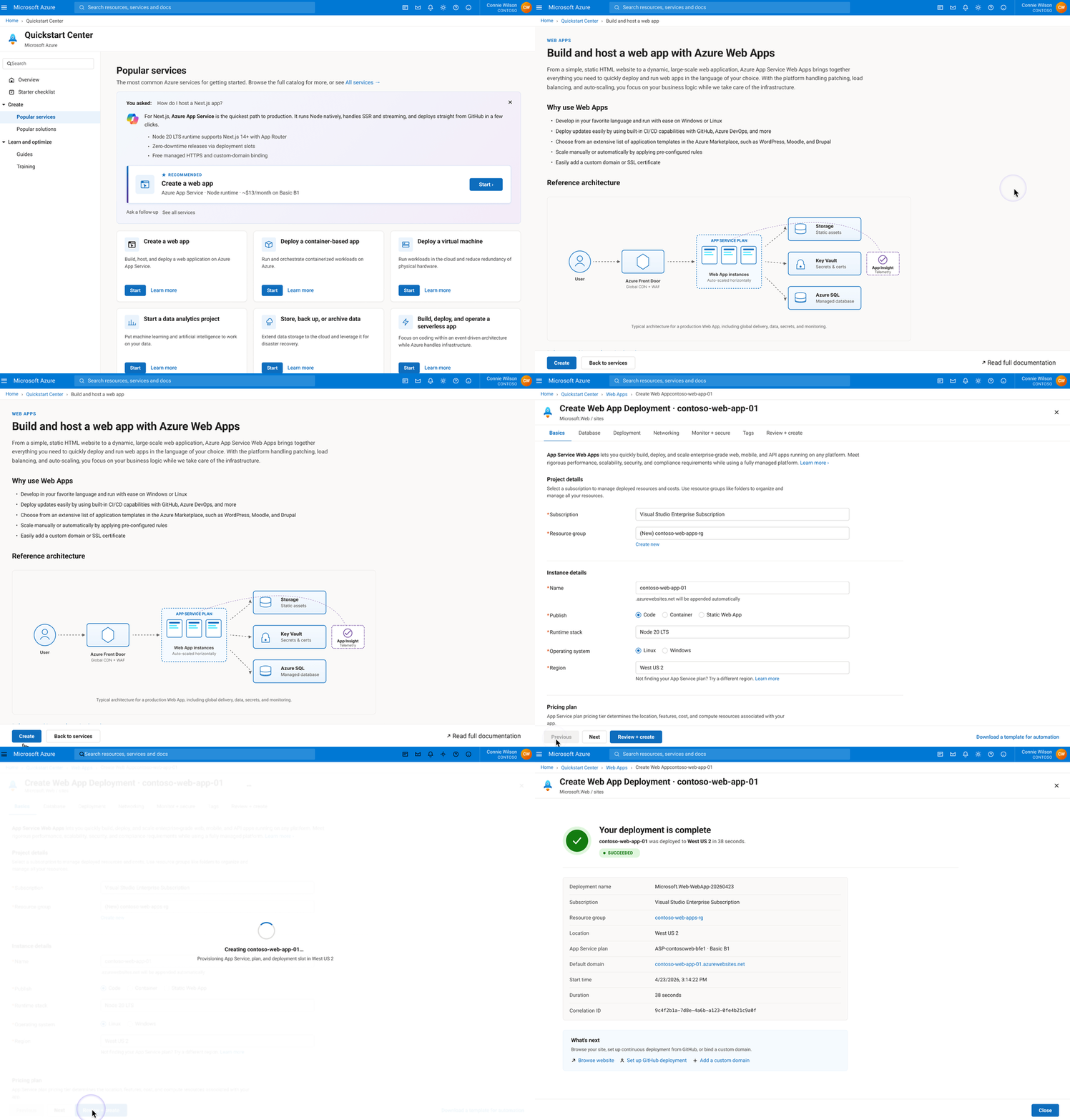
New users often abandon complex platforms before finding value. These projects reimagine how Azure welcomes and educates new users—turning overwhelming first moments into confident first steps.
2022 - 2024
Growth Design
Increased conversion rate by 41%, returning user rate by 30%, and engagement by 20%. Helped new users successfully deploy their first Azure resources and build lasting habits.
Lead Designer — owned end-to-end design for both Quickstart Center and Welcome Experience projects.
Collaborated with product managers, engineers, UX researchers, and other designers.
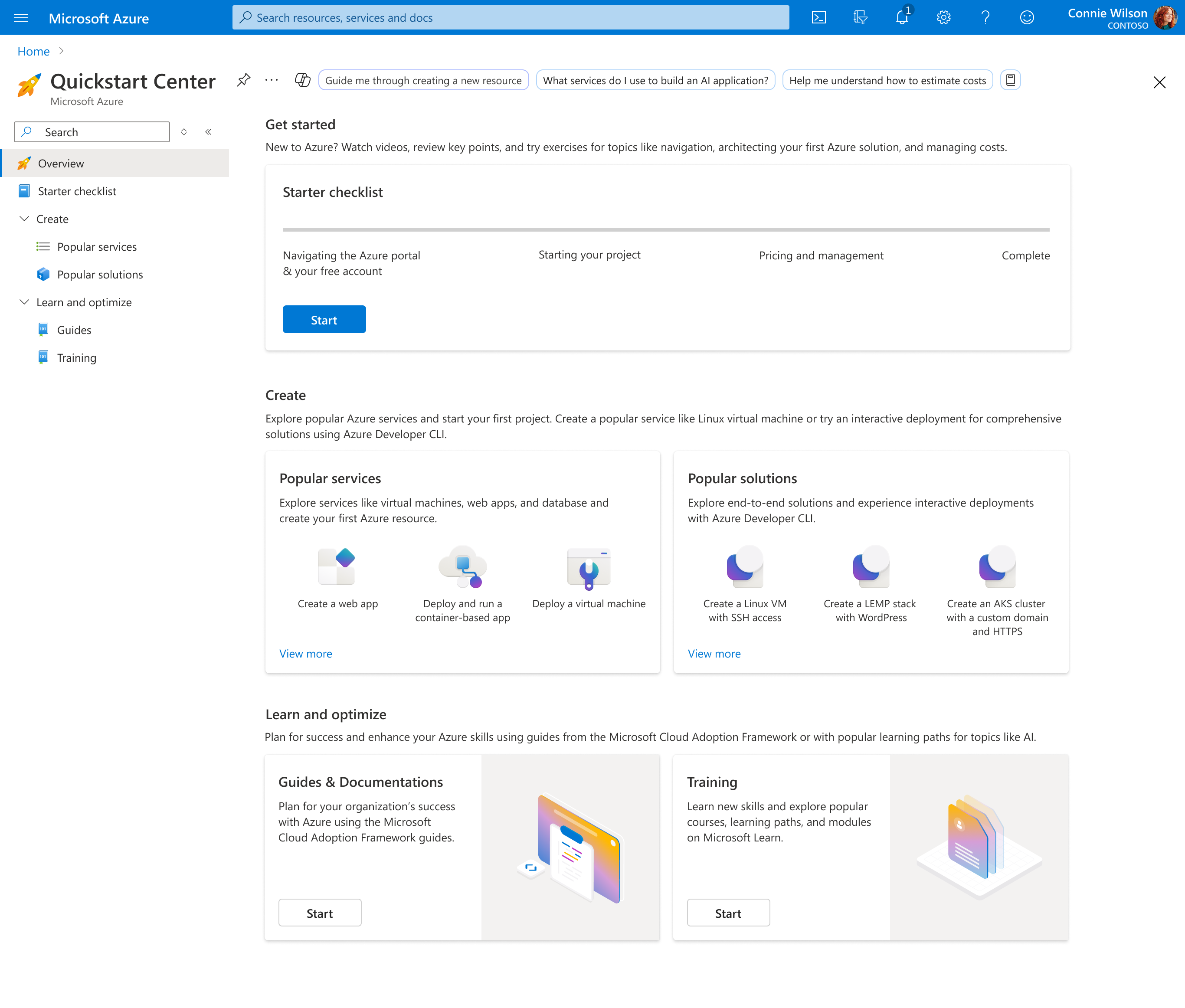
A redesigned onboarding hub to help new Azure users learn and get started with cloud services.
Stage 1New Azure users often felt overwhelmed by the platform's complexity. Research revealed that users struggled to find learning resources, frequently abandoned the portal before completing their first deployment, and had low awareness of Azure Quickstart Center as a resource. These gaps presented a clear opportunity to reimagine the onboarding experience.
The current AQC lacks step-by-step learning material for new users.
Content needs more visual elements like videos and graphs.
New users have limited awareness of available resources.
The Previous Design
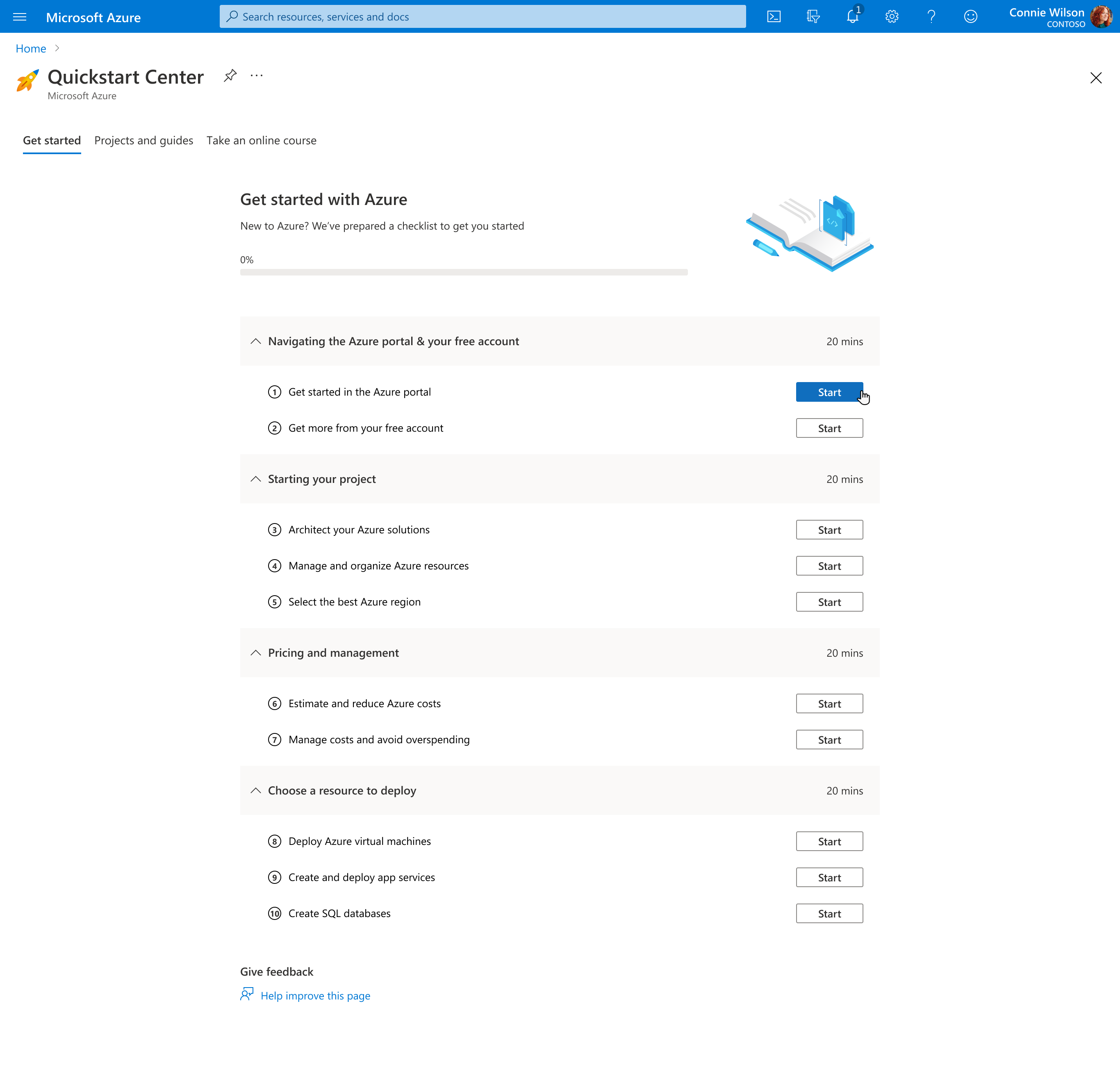
A key insight from user research was that most new users never discovered Azure Quickstart Center existed. We strategically placed entry points on trial landing pages and the Azure home page, meeting users at the moments when they're most likely to need guidance. This approach increased discovery rates by targeting users during their initial exploration phase.
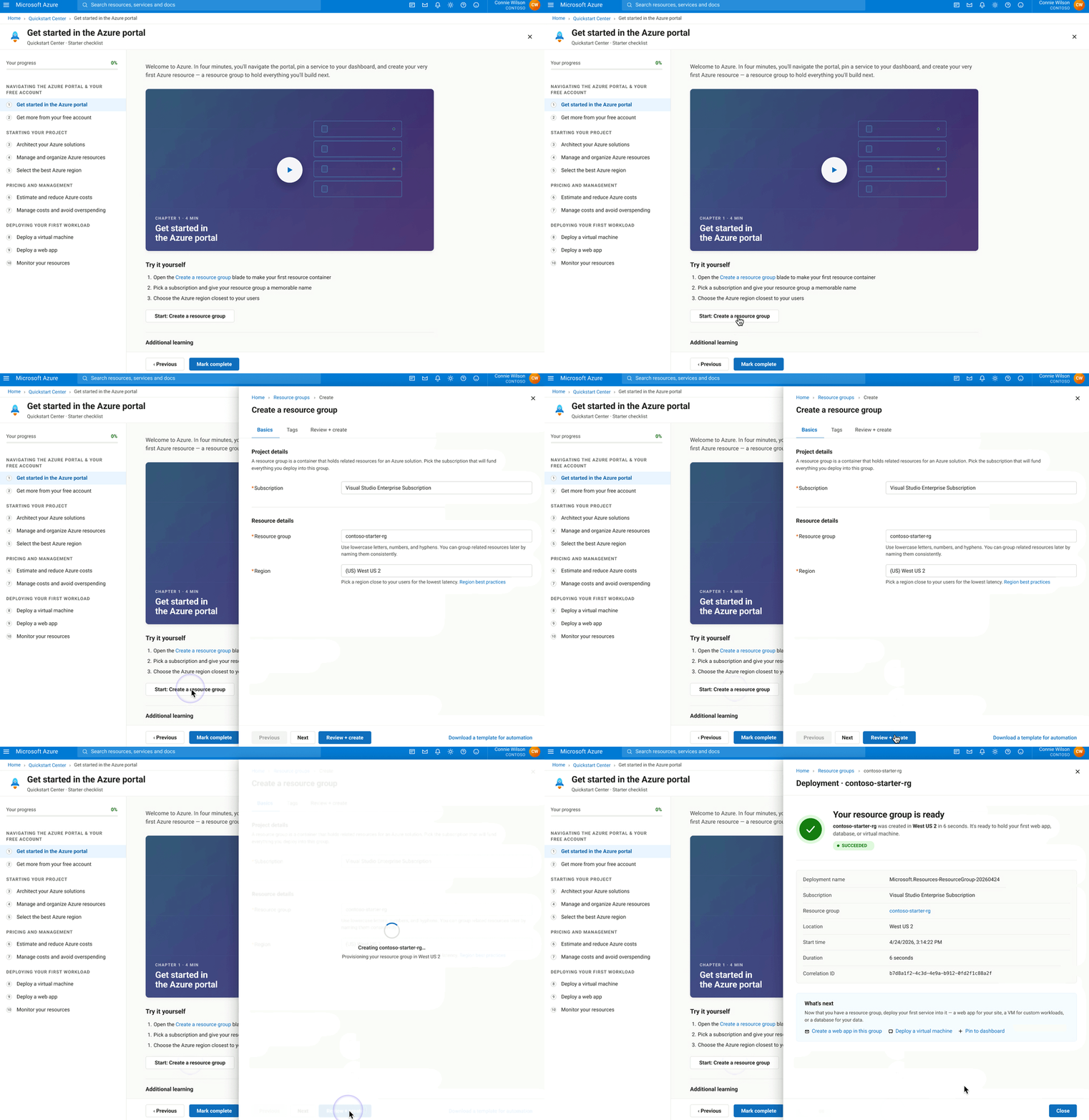
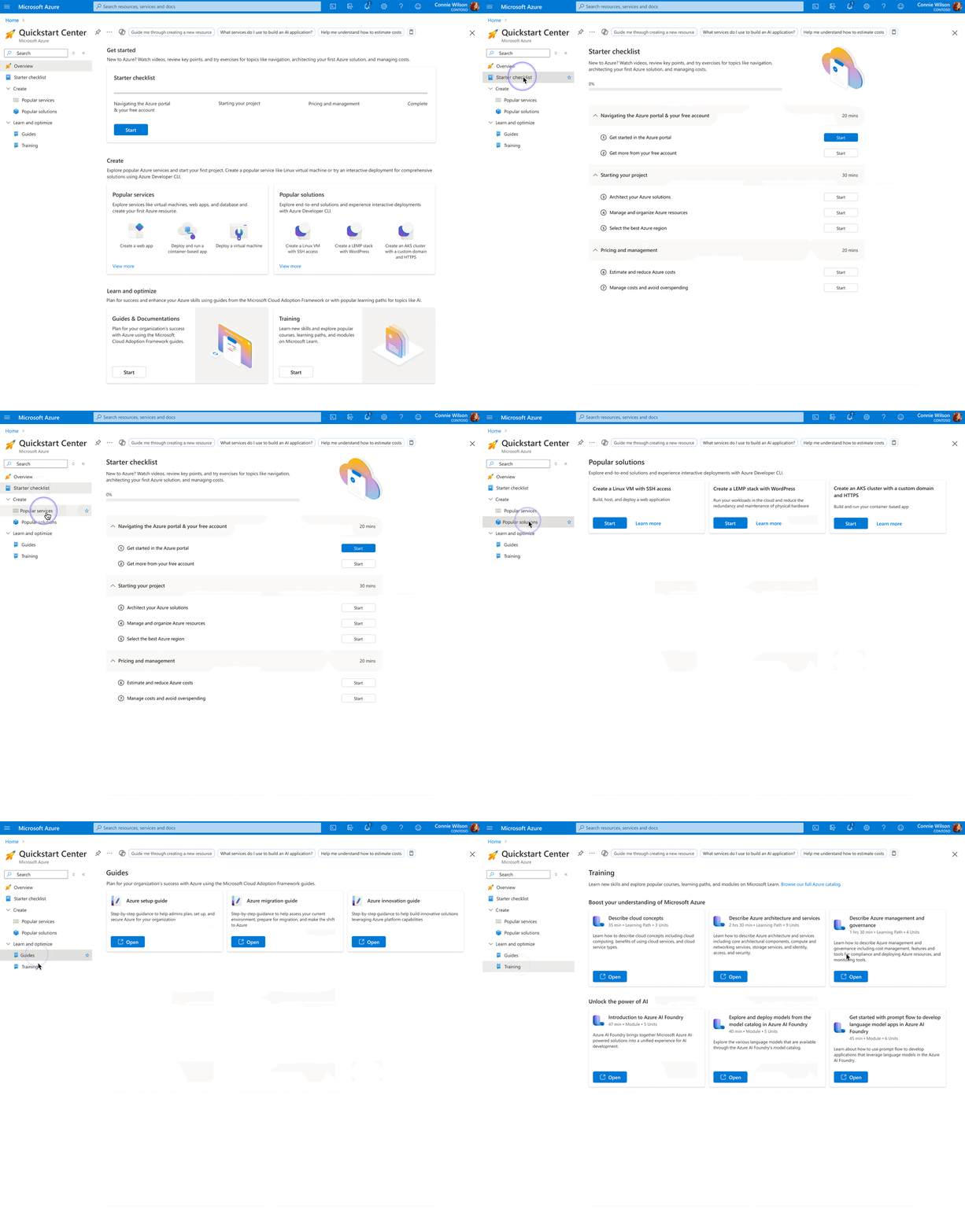
Rather than presenting an overwhelming list of resources, we designed a structured checklist that breaks down the onboarding journey into manageable steps. Each item builds upon the previous one, creating a clear learning path from understanding Azure basics to deploying your first resource. Progress tracking helps users maintain momentum and see how far they've come.
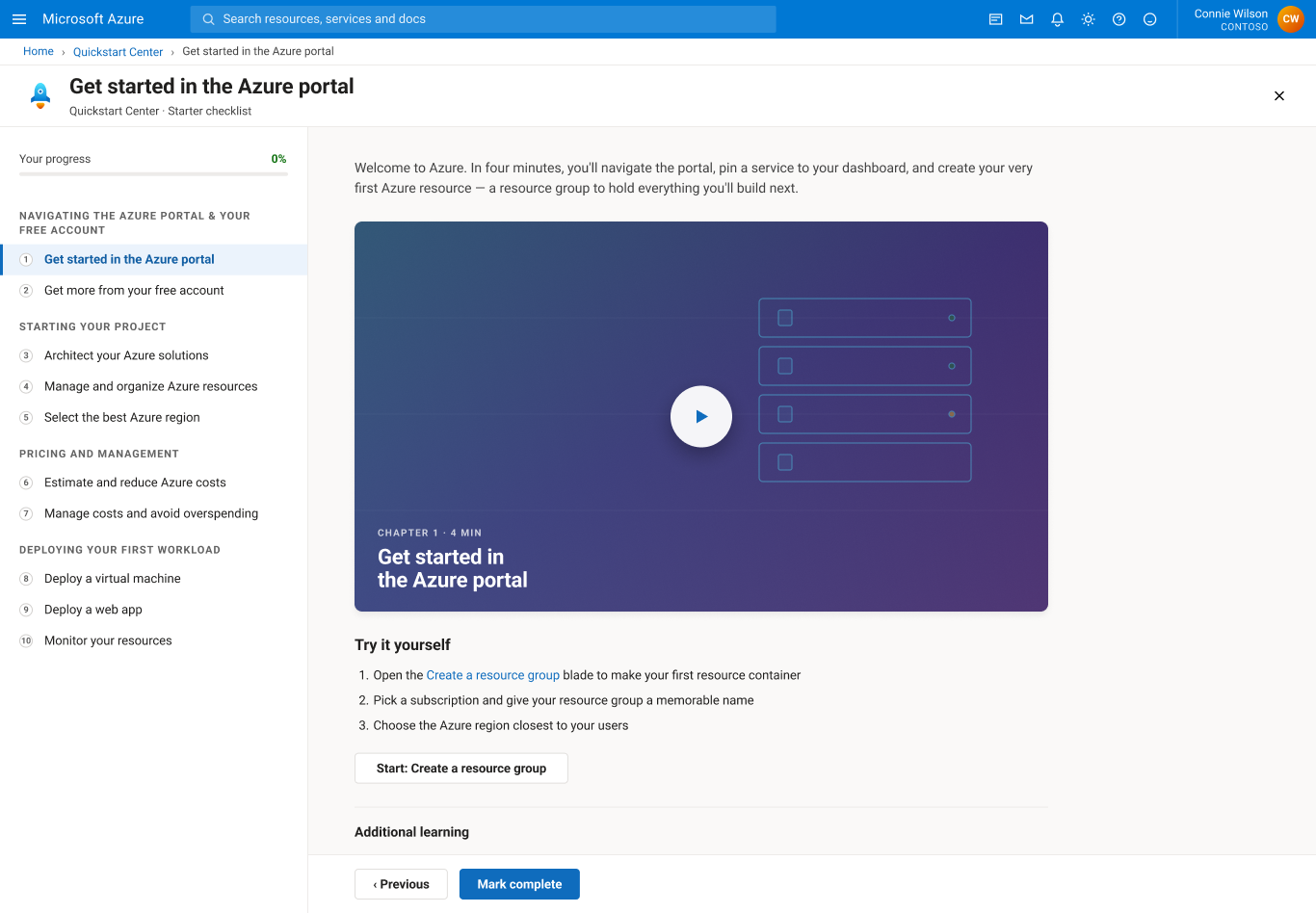
User feedback consistently pointed to a preference for visual content over text-heavy documentation. We partnered with Azure product teams to create short, focused video tutorials featuring product leaders explaining core concepts. These videos reduce cognitive load and help users understand abstract cloud concepts through visual demonstrations rather than lengthy technical documentation.
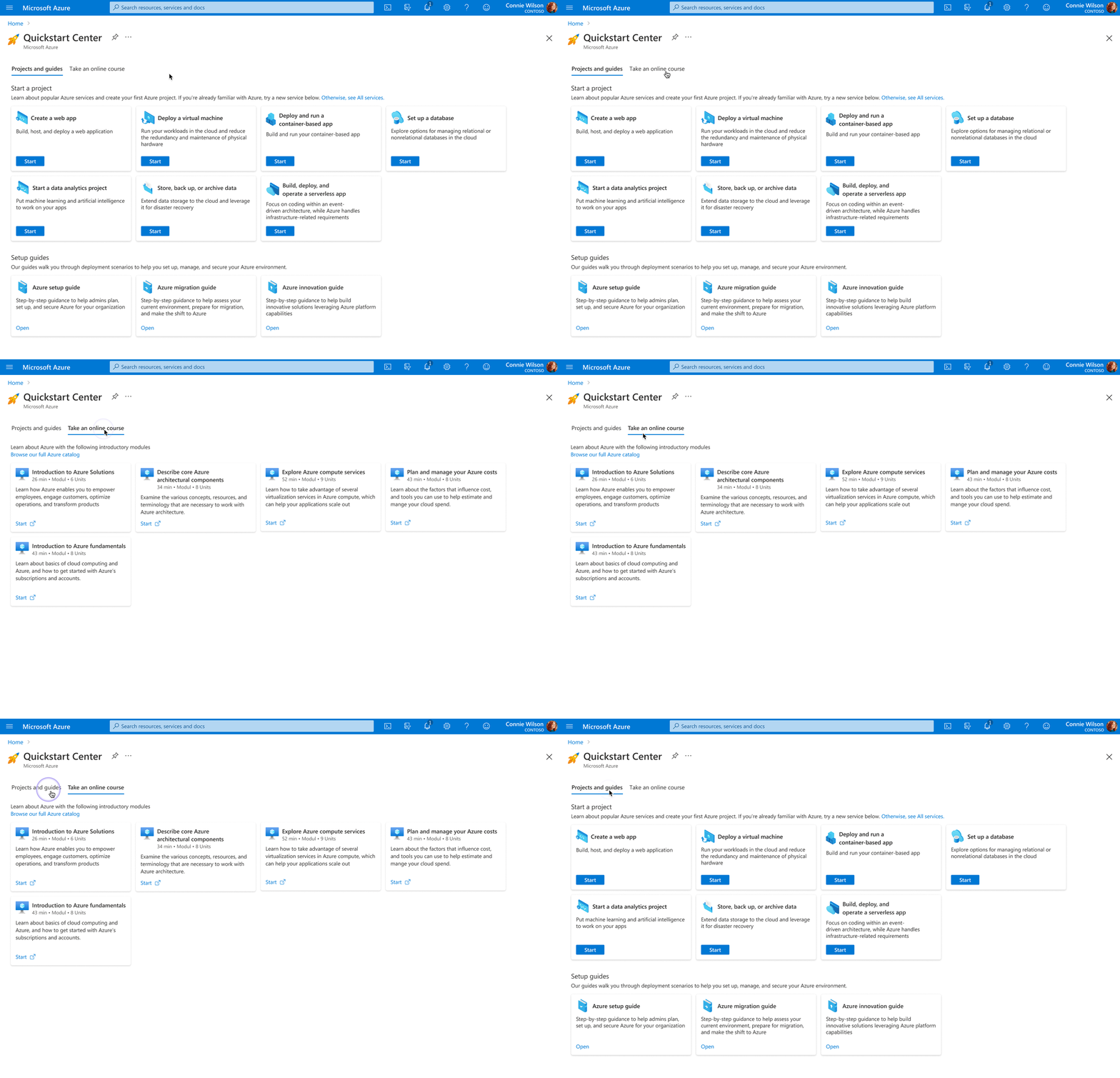
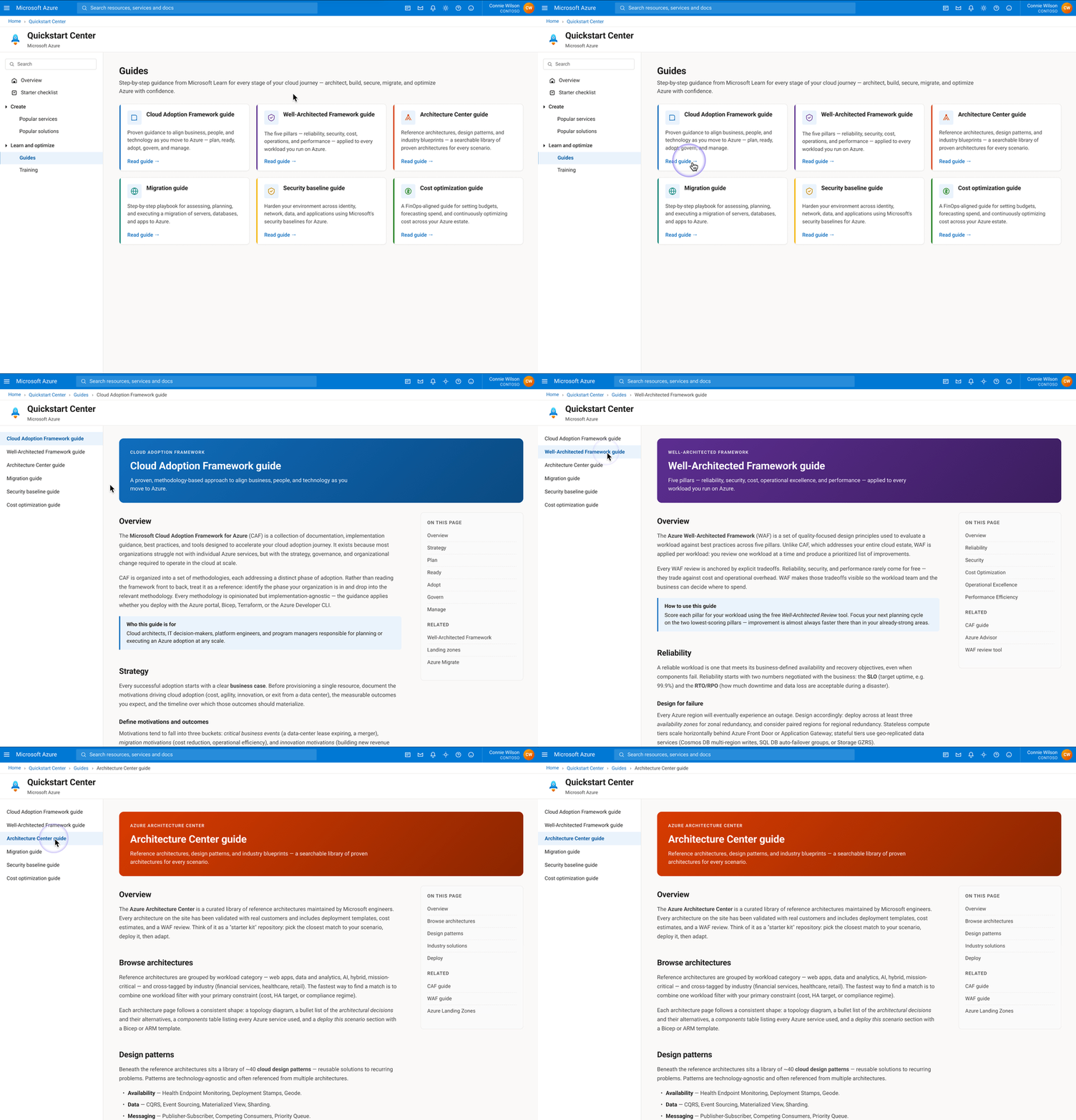
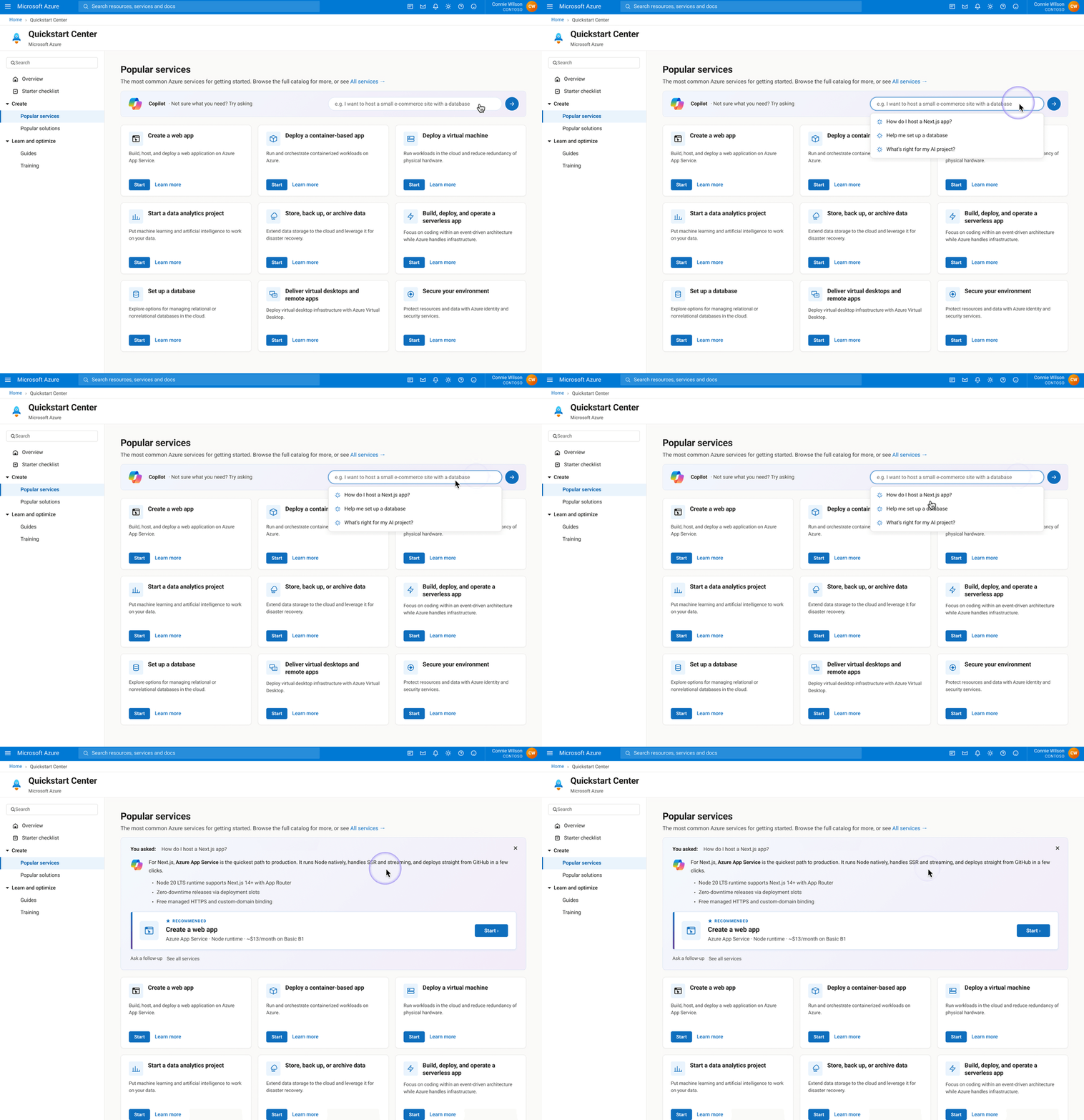
As Azure Quickstart Center gained traction, new challenges emerged. The growing library of services and "templatized solutions" for multi-service integration made the original structure difficult to navigate. Users struggled to find relevant content as the platform scaled, requiring a fundamental restructuring of the information architecture.
Reorganized the landing page into three distinct sections that map to the user journey: Get Started for first-time setup, Create for deploying new resources, and Learn & Optimize for tutorials, documentation, and best practices. This structure helps users quickly find content relevant to their current stage.
As content grew, navigation became critical. We implemented a persistent left sidebar with a table of contents that organizes content by Azure service categories. This allows users to quickly scan available topics and jump directly to relevant sections without scrolling through unrelated content.
Help users learn and succeed, not just complete tasks—education drives long-term engagement.
Great products evolve in stages. Focus on what matters most now while building toward long-term vision.
Design information architecture for growth—what works for 10 items should work for 100.
A welcoming first-run experience to capture user intent and provide personalized onboarding.
Research showed that new Azure users often felt lost and overwhelmed during their first portal visit. Without a proper introduction, many users abandoned the platform before discovering its value. We identified an opportunity to create a dedicated welcome experience that would make users feel supported from the very first moment.
Create touchpoints that encourage user interaction.
Make new users feel comfortable and supported.
Understand user goals for personalization.
We explored three distinct approaches to introducing users to Azure. Each concept balanced different trade-offs between visibility, user control, and integration with existing flows. After testing with users and stakeholders, the full-screen immersive experience emerged as the winner for its ability to create a focused, distraction-free onboarding moment.
Blocking popup approach
Preferred immersive concept
Integrated signup approach
The first impression matters. We designed a warm, friendly welcome page that greets users by name and sets clear expectations for the onboarding journey ahead. A progress indicator on the bottom shows users exactly where they are in the process, reducing anxiety and encouraging completion.
Understanding why users come to Azure enables personalized experiences. We designed a low-friction survey with visual cards that allow users to select multiple intents. Helpful tooltips provide context for each option, making it easy for users to self-identify their goals without feeling overwhelmed by technical jargon.
Before diving into the portal, users receive a guided tour highlighting essential features and navigation patterns. This contextual introduction reduces the learning curve by showing users where to find key tools and resources, setting them up for success from their very first interaction with Azure.
The initial experience shapes user perception and retention. Make users feel supported from the first moment.
Understanding user goals upfront enables personalized experiences that feel relevant and valuable.